About Us
We're committed to moving the mission forward by living out the Word.
"Each of you should use whatever gift you have received to serve others, as faithful stewards of God’s grace in its various forms." 1 Peter 4:10
Our Story
The Birth Trauma Foundation began with personal a story,
one that shaped the heart and vision of its founder, Dr. Dorough.
Years ago, Dr. Dorough personally experienced birth trauma firsthand. That moment changed everything. After years of caring for other families in his clinic, a deep empathy for other families walking the same path, was ignited. This has led to a lifelong passion to bring care, clarity, and change to a topic too often overlooked. Years later, he has built a team to help guide this foundation's outcomes, exposure, and success.
Over the past decade, through their clinical work and life experiences, our board members have witnessed the far-reaching impact of birth-related stress, strain, and trauma. They have seen how it affects not just the physical health of parents and babies, but also their emotional and mental well-being. Parents carry invisible wounds. Newborns experience the ripple effects. And families are often left searching for answers with nowhere to turn.
When we went looking for resources: education for families, access to specialized care, and current research... we were met with information and studies that were few and far between. In addition, these support systems were fragmented, and the families who needed help the most were often overlooked. That gap in care and awareness is what inspired the creation of The Birth Trauma Foundation.
This foundation exists to support those needs. To shine a light on the real and lasting impacts across the spectrum of birth trauma. To push forward with research, education, and access to care, so that families no longer have to walk this journey alone.
We believe birth trauma is a significant public health concern. We believe every family deserves to be seen, heard, and supported. And we believe that there is a need to raise public awareness, advocate for deeper research, and build practical resources. This can only be done with utilizing the gifts of many, both tangible and intangible. In doing so, families will be empowered to navigate the barriers in overcoming the quite devastation that often follows trauma.
This is more than a mission. It’s personal.
Meet the Board
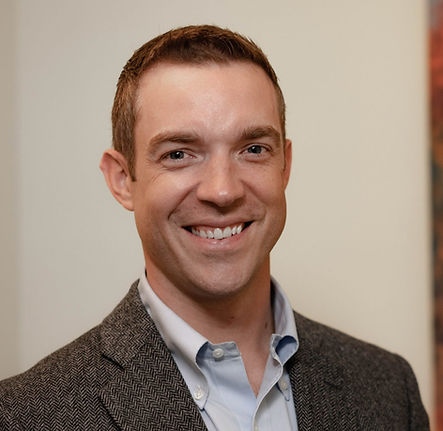
Andrew Dorough, D.C., DACCP


Founder and Board Director

Nicole McCauley, D.C., DACCP

Director of Nonprofit Development

Tori Dorough
Co-Founder and Board Director

Jennifer K. McDonald D.O.
Board Member - OBGYN and Women's Health

Elizabeth Bergamini, MD
Board Member - Pediatrics

Kassity Cole, CD (DONA), CBE
Board Member - Doula Services and Education
Our Sponsors


